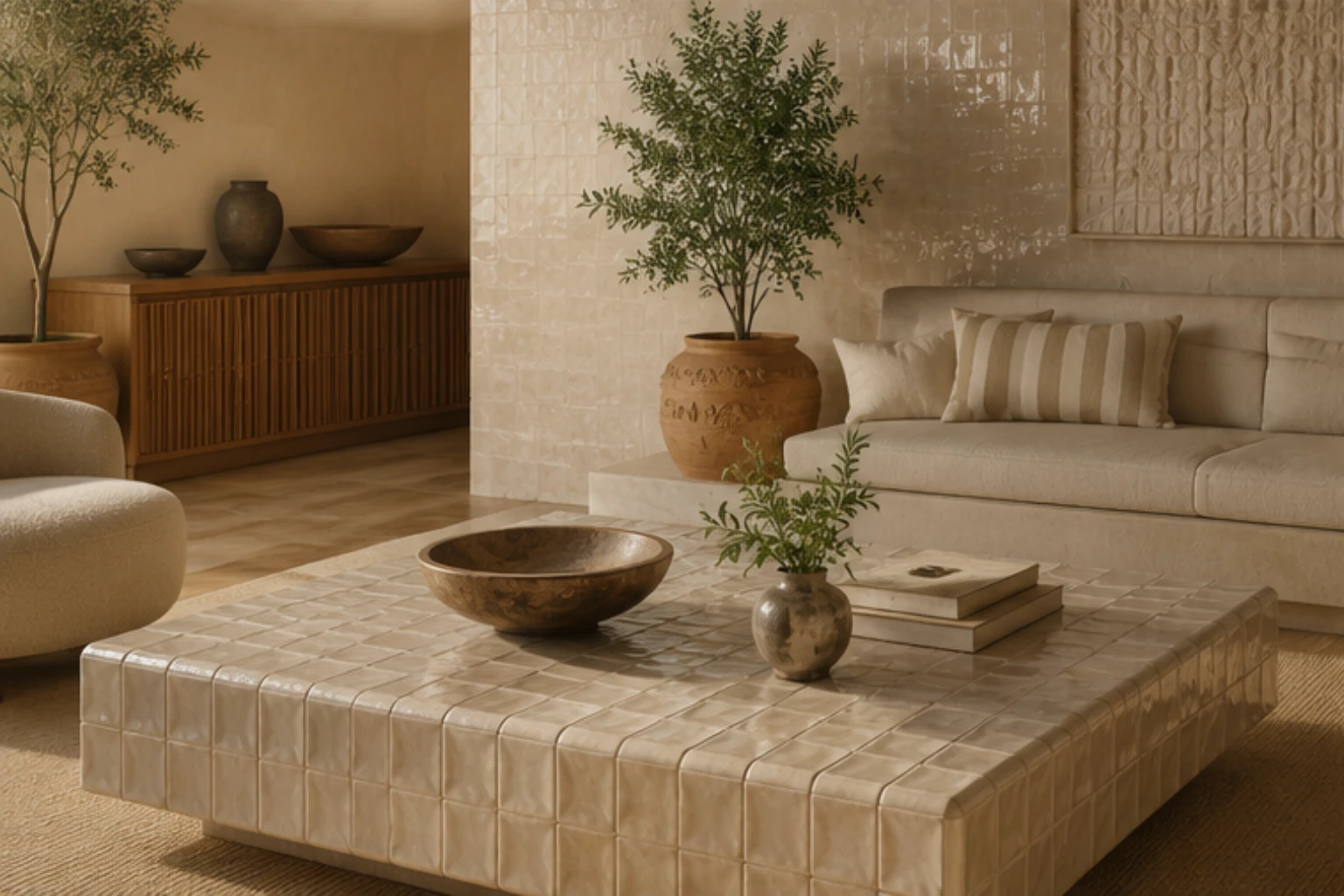
For generations, ceramics have been associated primarily with finishes beautiful, durable materials applied to walls, floors, and decorative features. While this perception remains rooted in centuries of architectural practice, it no longer reflects the full potential of ceramics in contemporary design. Today, ceramic surface material has evolved into something far more significant: a versatile architectural medium that shapes space, defines identity, and connects craftsmanship with innovation.
Across luxury residences, boutique hospitality projects, wellness retreats, and bespoke interiors, ceramic materials are no longer specified merely for their technical performance. Architects and designers increasingly embrace ceramics as integral design elements capable of unifying architecture, interior design, and furniture through a shared material language. Whether expressed through sculptural architectural surfaces, handcrafted furnishings, custom wall systems, or bespoke installations, ceramics have become essential to creating environments that feel authentic, timeless, and deeply connected to nature.
This transformation reflects a broader shift within contemporary architecture. As the design industry moves away from disposable trends and synthetic finishes, there is renewed appreciation for materials that possess permanence, tactile richness, and cultural meaning. Architectural ceramics answer these expectations with remarkable versatility, offering durability while celebrating the beauty of artisanal production and natural materials.
Inspired by Mediterranean traditions, where clay, stone, light, and craftsmanship have shaped architecture for centuries, today’s ceramic collections demonstrate how ancient techniques continue to inspire modern living. Rather than existing as isolated finishes, ceramics become architectural expressions that enrich every scale of a project, from façades and interior walls to bespoke furniture and sculptural objects.
This article explores why ceramics should no longer be viewed simply as surface materials. Instead, they should be understood as creative tools that enable architects and designers to build cohesive, enduring environments where materiality becomes one of architecture’s most powerful forms of expression.
Why Ceramic Is No Longer Just a Surface Material
The traditional understanding of ceramics centered largely on protection and decoration. Ceramic wall tiles provided hygienic, moisture-resistant finishes for kitchens, bathrooms, and public buildings, while decorative ceramics introduced color, pattern, and craftsmanship into architectural spaces. Although these functions remain important, contemporary design has dramatically expanded the role of ceramics.
Today, ceramics participate in architecture from the earliest stages of design development. Rather than being selected after structural and spatial decisions have been made, they increasingly influence the character of buildings themselves. Material selection has become a conceptual process, allowing ceramics to shape atmosphere, proportion, texture, and the emotional experience of space.
This evolution is closely linked to the growing demand for authenticity. Designers are seeking materials that communicate permanence rather than novelty, craftsmanship rather than industrial uniformity, and natural beauty rather than artificial perfection. Ceramics respond to these priorities through their tactile qualities, organic textures, and remarkable ability to age gracefully without losing their visual appeal.
As a result, ceramics have become architectural protagonists. They contribute to façades, define interior identities, create sculptural furniture, and establish visual continuity throughout an entire project. Their role extends beyond finishing surfaces to shaping how architecture is experienced.
From Function to Architectural Identity
Every material tells a story. Glass communicates transparency, timber evokes warmth, natural stone expresses permanence, and ceramics offer a unique combination of craftsmanship, resilience, and artistic freedom. Unlike purely industrial materials, handcrafted ceramics carry subtle variations in texture, glaze, and color that reveal the human process behind their creation.
These qualities transform ceramics into materials capable of expressing architectural identity. A handcrafted ceramic wall, a textured façade, or a bespoke ceramic installation immediately establishes a project’s personality without relying on excessive ornamentation. Instead, beauty emerges through material honesty and thoughtful detailing.
For architects designing timeless environments, this authenticity has become increasingly valuable. Buildings are no longer judged solely by their appearance on opening day but by how gracefully they mature over decades. Ceramic materials support this long-term perspective by combining exceptional durability with visual richness that never feels temporary.
The Evolution of Ceramic Materials in Contemporary Architecture
The renewed relevance of ceramic architecture is not simply the result of technological innovation. It also reflects changing priorities within the design profession. Contemporary architects increasingly value materials that contribute simultaneously to aesthetics, environmental responsibility, durability, and user experience.
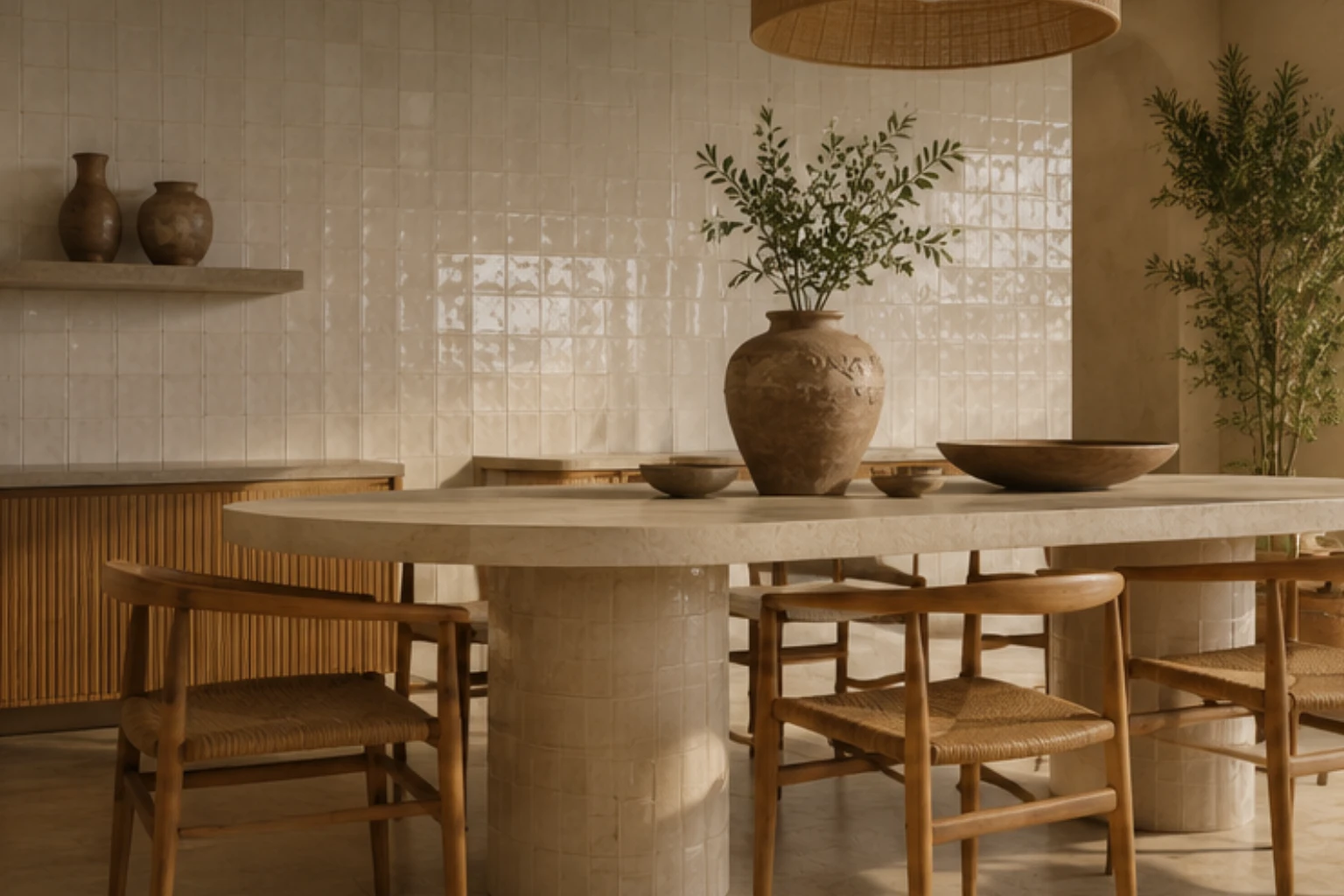
Advances in ceramic production have expanded opportunities for architects to specify larger formats, custom dimensions, innovative glazing techniques, and highly specialized architectural components. At the same time, renewed appreciation for artisanal production has elevated handcrafted ceramics beyond decorative craftsmanship, positioning them as sophisticated architectural materials suitable for projects of every scale.
This convergence of technology and tradition allows designers to achieve remarkable flexibility. Ceramic applications now include rainscreen façades, sculptural partitions, integrated furniture, architectural wall systems, fireplace surrounds, reception counters, custom lighting features, outdoor kitchens, wellness spaces, and bespoke hospitality environments.
Rather than functioning as isolated products, ceramics increasingly become part of comprehensive architectural systems that connect exterior and interior spaces through consistent textures, colors, and material relationships.
Architecture Designed Around Material Experience
Modern architectural thinking increasingly begins with material experience rather than decoration. Designers ask how a surface reflects daylight, how it feels to the touch, how it influences acoustics, and how it contributes to the atmosphere of a space. Ceramics answer each of these questions with remarkable versatility.
Matte glazes diffuse natural light softly, enhancing calm and intimacy. Textured finishes create dynamic shadow patterns throughout the day. Glossy surfaces introduce subtle reflections that bring movement into minimalist interiors. Every finish influences perception, demonstrating that ceramics actively shape spatial experience instead of merely covering structural elements.
This sensitivity to light and texture explains why ceramics have become central to many contemporary architectural concepts. Their visual richness allows designers to create elegant spaces with restrained material palettes, proving that sophistication often emerges through careful refinement rather than visual complexity.
Ceramic as a Design Language
One of the most significant developments in recent years is the emergence of ceramics as a complete design language rather than an isolated specification. Architects increasingly seek material continuity throughout a project, allowing architecture, interiors, and furniture to communicate through a unified vocabulary.
Within this approach, ceramic design becomes a framework for creating harmony across multiple applications. The same handcrafted texture might appear on an architectural feature wall, continue across custom cabinetry, extend into a kitchen island, and conclude as the surface of a bespoke dining table. Each element feels related without becoming repetitive.
This integrated use of ceramics supports one of the defining characteristics of timeless design: coherence. Rather than combining numerous unrelated finishes, designers create depth by exploring variations within a carefully curated family of ceramic materials.
Such continuity is especially valuable in open-plan residences and hospitality environments, where visual consistency helps establish calm, elegant interiors that feel intentional from one space to the next.
The Emotional Dimension of Materiality
Material selection is never purely technical. Every surface influences how people emotionally experience architecture. Handcrafted ceramics possess an inherent warmth that distinguishes them from highly processed industrial finishes. Their subtle irregularities invite touch, while their natural variations create visual depth that evolves with changing daylight.
This emotional connection has become increasingly important as designers prioritize wellness and human-centered environments. Spaces defined by authentic materials often feel quieter, more grounded, and more welcoming because they reveal evidence of craftsmanship rather than mechanical perfection.
In this sense, ceramics contribute not only to the appearance of architecture but also to its atmosphere. They create interiors that encourage people to slow down, observe detail, and appreciate the relationship between material, light, and craftsmanship.
The Relationship Between Architecture, Interiors, and Furniture
Contemporary design is increasingly moving beyond traditional disciplinary boundaries. Architecture, interior design, landscape, and furniture are no longer conceived as separate stages of a project but as interconnected expressions of a single design vision. Ceramics play a central role in enabling this integration.
The rise of ceramic furniture illustrates this evolution particularly well. Tables, consoles, benches, coffee tables, and sideboards finished with handcrafted ceramic surfaces extend the architectural material palette into everyday living. Instead of introducing contrasting finishes, furniture reinforces the visual identity established by architectural surfaces.
This continuity creates spaces that feel balanced and cohesive. A ceramic texture introduced on an interior wall may reappear in a fireplace surround, continue through custom shelving, and culminate in a handcrafted dining table that becomes the social heart of the home. The result is an interior where every element contributes to a unified narrative.
For architects and interior designers, this integrated approach offers significant creative freedom. Bespoke ceramics can be developed specifically for individual projects, allowing dimensions, finishes, textures, and glazing techniques to respond directly to the architectural concept rather than conforming to standardized product collections.
This philosophy reflects the essence of Mediterranean design, where architecture and craftsmanship have always existed in harmony. Buildings are enriched not through excessive decoration but through carefully selected natural materials, artisanal expertise, and timeless proportions. Contemporary ceramics continue this tradition, demonstrating that true luxury is found in authenticity, longevity, and thoughtful design rather than fleeting trends.
Handcrafted Ceramics: Where Material Meets Human Expression
The growing appreciation for handcrafted ceramics reflects a broader shift in contemporary architecture toward authenticity, permanence, and human-centered design. In an age defined by industrial efficiency and digital production, architects and interior designers are rediscovering the emotional value of materials shaped by skilled hands. Ceramic craftsmanship introduces subtle nuances that cannot be replicated by mass manufacturing, allowing every project to possess its own distinctive identity.
Unlike perfectly uniform industrial products, handcrafted ceramics celebrate natural variation. Differences in glaze, texture, tone, and surface depth become qualities rather than imperfections. These refined irregularities capture light differently throughout the day, giving architectural spaces a sense of movement and visual richness that evolves over time.
For luxury residences and hospitality environments, this individuality has become increasingly desirable. Clients seek spaces that feel genuine rather than standardized environments where every material tells a story of craftsmanship, cultural heritage, and thoughtful design. Handcrafted ceramics answer this aspiration by bringing authenticity into contemporary architecture without compromising technical performance.
The Lasting Value of Ceramic Craftsmanship
Exceptional design is often defined by details that reveal themselves gradually. Ceramic craftsmanship contributes precisely this type of lasting value. Whether applied to architectural surfaces, bespoke furniture, or sculptural installations, handcrafted ceramics reward close observation through their tactile qualities and subtle visual complexity.
This depth is particularly important in minimalist architecture. As decorative elements become more restrained, materials themselves assume greater responsibility for creating atmosphere. Texture replaces ornament, while craftsmanship becomes the defining feature of elegance.
Architects increasingly understand that authentic materials foster stronger emotional connections between people and the spaces they inhabit. Rather than appearing cold or overly manufactured, handcrafted ceramics introduce warmth and humanity into contemporary interiors while maintaining a refined architectural language.
Sustainable Ceramic Materials and Responsible Design
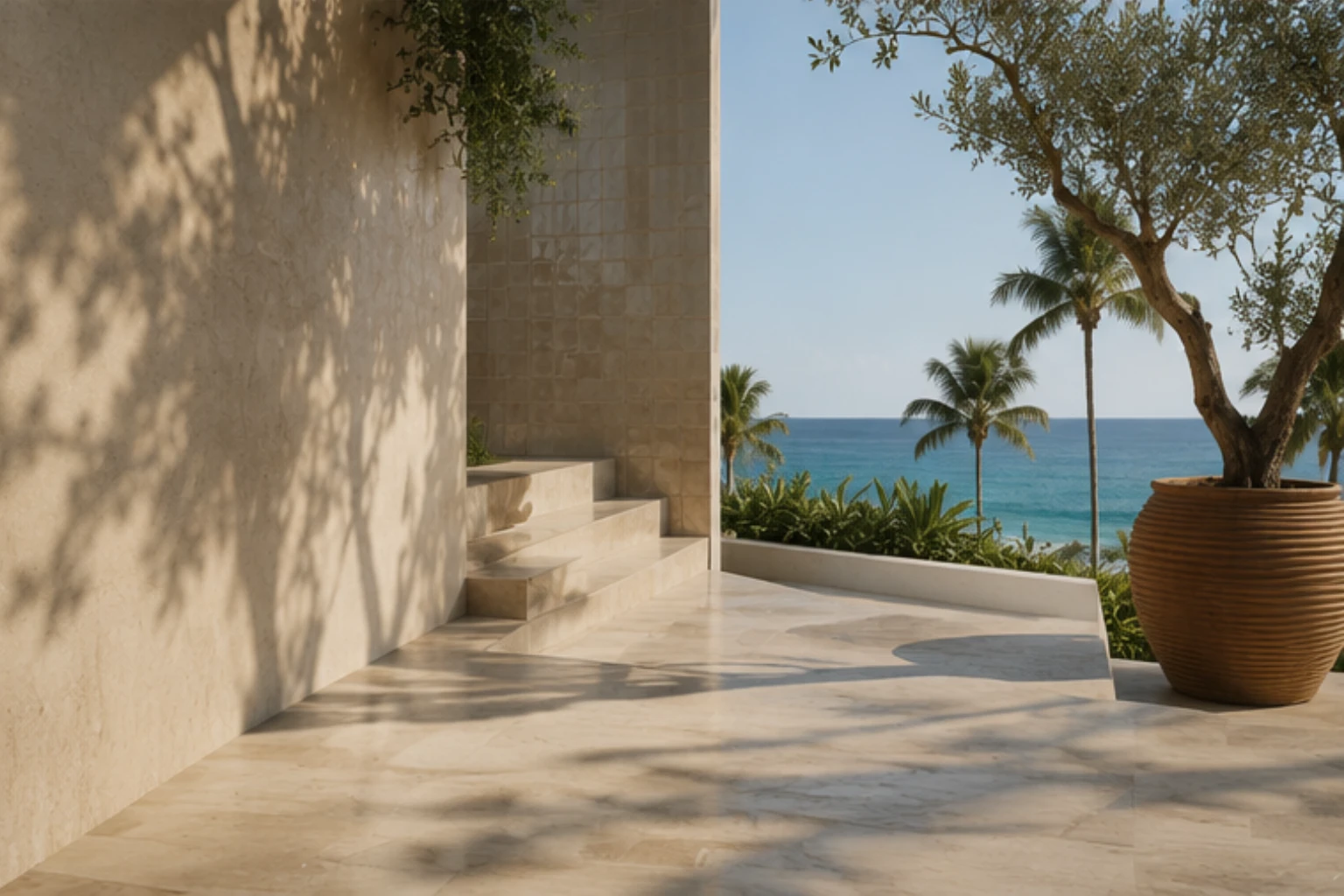
Sustainability has become one of the central priorities of modern architecture, yet truly sustainable design extends beyond certifications and environmental metrics. It also considers longevity, adaptability, maintenance requirements, and the enduring relevance of the materials chosen. In this context, sustainable ceramic materials offer significant advantages that align with long-term architectural thinking.
Produced primarily from natural clay, minerals, water, and fire, ceramics belong to a family of natural materials that have been used in construction for thousands of years. Their remarkable durability allows buildings to maintain both performance and beauty with minimal intervention, reducing the need for replacement and unnecessary consumption.
Unlike many synthetic finishes that deteriorate quickly or become visually outdated, ceramic surfaces are designed to age gracefully. Their resistance to moisture, ultraviolet radiation, staining, abrasion, and temperature fluctuations makes them particularly well suited for projects intended to endure across generations.
This longevity transforms ceramics into an environmentally responsible investment. Rather than encouraging cycles of renovation driven by changing trends, they support architecture that remains relevant through timeless material quality.
Durability as a Design Principle
For architects, specifying durable materials is increasingly viewed as an essential component of sustainable design. Every replacement avoided represents fewer raw materials consumed, less construction waste generated, and lower environmental impact throughout the building’s life cycle.
Ceramic applications contribute to this philosophy through exceptional resilience. Their inherent stability allows them to perform consistently in kitchens, bathrooms, wellness facilities, hotel interiors, outdoor living areas, and high-traffic public spaces without sacrificing visual refinement.
This combination of beauty and longevity demonstrates that sustainability is not simply about reducing environmental impact, it is also about creating architecture worthy of preservation.
Ceramic Innovation: Expanding Creative Possibilities
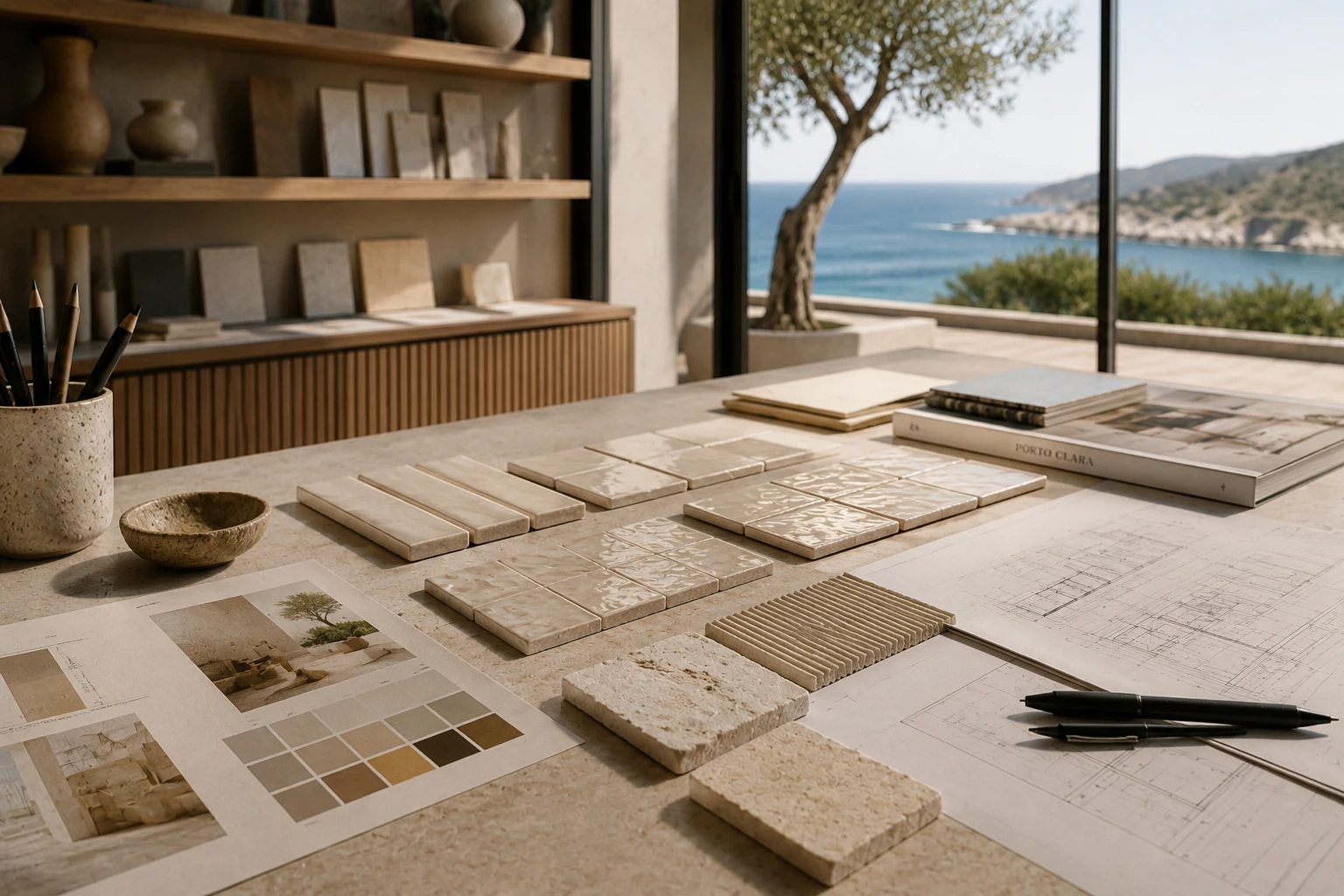
Innovation within ceramics is no longer limited to manufacturing efficiency. Instead, it increasingly focuses on expanding the creative freedom available to architects and designers. Advances in fabrication techniques, glazing technologies, digital modeling, and modular production have transformed ceramics into one of the most adaptable materials in contemporary architecture.
Today’s ceramic innovation allows projects to move far beyond standardized formats. Designers can develop custom dimensions, sculptural reliefs, complex geometric forms, and highly specialized finishes that respond directly to architectural concepts rather than predefined product catalogs.
Importantly, these technological developments complement rather than replace artisanal expertise. Digital precision ensures consistency where required, while handcrafted finishing preserves the individuality and tactile richness that distinguish ceramic craftsmanship from purely industrial production.
The result is a new generation of ceramic design solutions capable of supporting both highly contemporary architecture and timeless design traditions.
Innovation Through Collaboration
The most successful ceramic projects rarely emerge from isolated design decisions. Instead, they develop through collaboration between architects, interior designers, ceramic artisans, engineers, and manufacturers. Early dialogue allows technical knowledge and creative vision to evolve together, producing solutions that balance aesthetics with long-term performance.
This collaborative approach is particularly valuable when developing bespoke architectural components. Custom wall systems, textured façades, integrated furniture, sculptural partitions, and artistic installations all benefit from close coordination between design intent and fabrication expertise.
Rather than restricting creativity, technical collaboration often unlocks entirely new possibilities, allowing ceramics to become central contributors to architectural innovation.
Bespoke Ceramics: Designing Beyond Standard Solutions
One of the defining characteristics of contemporary luxury architecture is the desire for individuality. Residential clients, boutique hospitality brands, and cultural institutions increasingly seek spaces that express a unique identity rather than repeating familiar design formulas. Bespoke ceramics provide architects with the flexibility required to achieve this level of originality.
Custom ceramic elements can be developed specifically for the proportions, lighting conditions, material palette, and functional requirements of an individual project. Dimensions, edge profiles, glazing techniques, colors, textures, and relief patterns may all be tailored to reinforce the architectural narrative.
This level of customization transforms ceramics from products into architectural components conceived as integral parts of the design process.
Creating Cohesive Luxury Ceramic Interiors
Within high-end residential and hospitality environments, bespoke ceramics contribute to a sense of quiet luxury. Rather than relying on excessive ornamentation or expensive finishes alone, architects create refined interiors through consistency, craftsmanship, and carefully considered material relationships.
A single handcrafted ceramic collection can unify fireplaces, kitchen islands, bathrooms, feature walls, custom cabinetry, and furniture. This continuity strengthens architectural identity while creating interiors that feel calm, sophisticated, and intentionally composed.
Such projects demonstrate that luxury ceramic interiors are defined not by abundance, but by thoughtful restraint and exceptional execution.
Practical Specification Insights for Architects and Designers
Selecting ceramics for architectural projects requires balancing creative ambition with technical performance. While aesthetic considerations remain fundamental, successful specification also depends upon understanding how materials will function over decades of daily use.
When evaluating ceramic applications, architects typically consider several interconnected criteria that influence both performance and design quality.
- Project Context: Evaluate whether ceramics will be used for interior spaces, exterior façades, custom furniture, wet areas, or high-traffic environments.
- Surface Character: Select finishes that respond appropriately to natural light, tactile experience, maintenance expectations, and desired atmosphere.
- Scale and Proportion: Coordinate ceramic module sizes with architectural geometry to strengthen visual rhythm and spatial continuity.
- Customization Opportunities: Consider bespoke dimensions, handcrafted textures, and specialized glazing techniques where architectural identity is a priority.
- Long-Term Performance: Assess durability, ease of maintenance, environmental exposure, and compatibility with other construction materials.
Integrating these considerations during the earliest stages of design allows ceramics to become an active contributor to architectural quality rather than a finishing decision made late in the project timeline.
Ultimately, the most successful ceramic specifications are those that unite technical excellence with artistic intention. When thoughtfully selected, ceramics become more than durable surfaces, they become enduring architectural elements that shape the experience, identity, and longevity of the built environment.
Ceramic Living: A Holistic Design Philosophy
The evolution of ceramics in architecture has given rise to a broader design philosophy one that extends beyond individual products or applications. Increasingly referred to as ceramic living, this approach embraces ceramics as a unifying material capable of connecting architecture, interior design, furniture, and everyday living into one cohesive experience.
Rather than treating materials as isolated design decisions, ceramic living encourages architects and designers to develop environments where every element shares a common visual and tactile language. Walls, architectural surfaces, bespoke furniture, decorative objects, and outdoor spaces become interconnected expressions of the same design vision.
This philosophy resonates strongly with Mediterranean architecture, where buildings have historically been shaped by local materials, artisanal craftsmanship, and a close relationship between indoor and outdoor living. Clay, stone, wood, and natural light work together to create spaces that feel harmonious, authentic, and deeply connected to their surroundings.
Contemporary ceramics reinterpret these traditions for modern lifestyles. Through refined craftsmanship, sophisticated textures, and timeless forms, they offer architects an opportunity to create spaces that feel both current and enduring, spaces where beauty is measured not by novelty but by permanence and thoughtful materiality.
The Integration of Architecture and Everyday Life
One of the defining characteristics of ceramic living is its ability to dissolve the boundaries between architecture and furniture. Instead of introducing furnishings as independent decorative objects, designers increasingly use ceramics to establish continuity throughout the home.
A handcrafted ceramic finish may begin at the entrance as an architectural wall, continue through the kitchen as a sculptural island, appear again within a custom bathroom vanity, and conclude in a dining table designed specifically for the project. This seamless transition reinforces the architectural narrative while creating interiors that feel intentional and deeply cohesive.
For homeowners and hospitality guests alike, such environments offer a richer sensory experience. Every touch, every change in light across a textured surface, and every handcrafted detail contributes to an atmosphere that feels calm, refined, and unmistakably authentic.
The Future of Ceramic Architecture
As architecture continues to evolve, ceramics are expected to play an increasingly significant role in shaping sustainable, resilient, and emotionally engaging spaces. Their future lies not simply in technical innovation but in their ability to respond to changing cultural values.
Architects today are designing for longevity rather than short-term trends. Clients increasingly seek buildings that retain their beauty over decades, minimize maintenance, and establish lasting emotional connections. These priorities naturally align with the strengths of ceramics, whose durability, timeless aesthetics, and handcrafted character make them uniquely suited to contemporary architecture.
At the same time, advances in digital design and fabrication are expanding creative possibilities. Parametric modeling, precision manufacturing, and innovative glazing technologies allow ceramic components to achieve increasingly sophisticated forms while preserving the individuality of artisanal craftsmanship.
This balance between technology and tradition represents one of the most exciting developments in contemporary design. Rather than replacing skilled artisans, innovation empowers them to realize increasingly ambitious architectural concepts with greater precision and consistency.
A Material for Generations
Perhaps the greatest strength of ceramics is their ability to transcend fashion. While many building materials reflect temporary stylistic movements, ceramics possess an enduring quality rooted in natural composition, craftsmanship, and timeless design principles.
Buildings created with carefully specified ceramic materials often become more beautiful over time. Their surfaces develop familiarity rather than obsolescence, allowing architecture to mature gracefully alongside those who inhabit it.
For architects committed to designing lasting environments, ceramics represent not only a practical specification but also a cultural investment, one that celebrates craftsmanship while contributing to a more sustainable and meaningful built environment.
Frequently Asked Questions
Why is ceramic considered more than a surface material?
Modern ceramic surface material contributes to architecture far beyond decorative finishes. Today, ceramics influence spatial identity, integrate architecture with furniture, improve durability, support sustainable design strategies, and provide architects with extensive opportunities for customization and artistic expression.
What are the advantages of ceramic materials in contemporary architecture?
Ceramic materials offer exceptional durability, low maintenance, resistance to moisture and wear, outstanding aesthetic versatility, and remarkable longevity. Their ability to combine technical performance with handcrafted beauty makes them suitable for residential, hospitality, commercial, and cultural projects.
How do handcrafted ceramics enhance interior design?
Handcrafted ceramics introduce texture, depth, and subtle variations that create richer visual experiences than perfectly uniform industrial finishes. Their artisanal qualities add warmth, authenticity, and individuality to contemporary interiors while reinforcing a project’s architectural character.
Are ceramics a sustainable material choice?
Yes. Ceramics are produced primarily from natural raw materials and are valued for their exceptional lifespan. Because they require minimal maintenance and often remain in excellent condition for decades, they reduce replacement cycles and support environmentally responsible architectural practices.
Can ceramics be customized for architectural projects?
Absolutely. Bespoke ceramics allow architects and designers to specify custom dimensions, textures, glazing techniques, colors, and forms tailored to individual projects. This flexibility enables ceramics to become integral components of a building’s architectural identity rather than standardized finishing products.
How does ceramic furniture contribute to ceramic living?
Ceramic furniture extends the architectural material palette into everyday living spaces. By using complementary ceramic finishes across walls, furniture, and architectural features, designers create interiors with greater continuity, visual harmony, and timeless elegance.
Conclusion
The perception of ceramics has undergone a profound transformation. Once regarded primarily as a practical finishing material, ceramics have become one of the defining mediums of contemporary architecture and interior design. Their role now extends far beyond surfaces, influencing how spaces are conceived, experienced, and remembered.
From architectural ceramics and bespoke wall systems to sculptural furniture and integrated interior applications, ceramics demonstrate extraordinary versatility. They unite craftsmanship with innovation, natural materials with advanced fabrication, and timeless aesthetics with contemporary performance. More importantly, they allow architects to create environments where every material contributes to a cohesive architectural narrative.
For professionals seeking lasting value, ceramics represent a thoughtful response to many of today’s design challenges. Their durability supports sustainable construction, their adaptability encourages creative freedom, and their handcrafted character brings warmth and authenticity to increasingly sophisticated spaces. Whether specified for luxury residences, boutique hospitality projects, wellness retreats, or cultural institutions, ceramics continue to prove that meaningful architecture is built upon materials capable of enduring both physically and emotionally.
Inspired by the timeless landscapes and artisanal traditions of the Mediterranean, the philosophy of ceramic living reminds us that exceptional design is never the result of isolated objects. It emerges through the careful integration of architecture, furniture, craftsmanship, and natural materials into environments that feel harmonious, personal, and enduring. In this vision, ceramics are not simply surfaces, they are the foundation of spaces designed to be appreciated for generations.